

Travel deeper by following this expert advice.
Though trips are often touted for their sites and scenery, sometimes it really is the people you meet along the way. Take G Adventures’ hill treks through northern Thailand, where visitors arrive on foot to secluded communities, each preserving its own language and customs. During tours of Machu Picchu and the Sacred Valley, Abercrombie & Kent travelers spend time with women who weave alpaca wool and dye blankets from plants they’ve harvested. And through immersions in northeast India, Big Five Tours & Expeditions introduces small groups of travelers to isolated villages, where, far from the saris and turbans of Rajasthan, traditions range from fire worship to facial tattooing.
Such cultural experiences transform a newcomer’s worldview but can also leave lasting impacts on locals. “At the end of the day, you’re not going to see a spectacle; you’re going to see an Indigenous community that in many cases has been around for thousands of years,” says Jamie Sweeting, vice president of social enterprise and responsible travel at G Adventures. That’s why he and others encourage travelers to approach remote travel differently, enriching the experience for both hosts and visitors. Here’s how to do it.
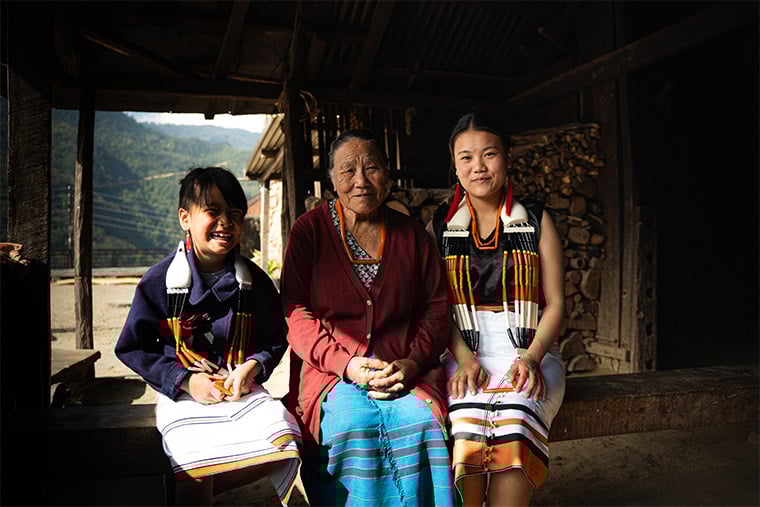
In India's Nagaland, the Angami women dress in traditional garb.
Getty Images
Ask Questions Early
“Start by trying to understand the history of the people you’re going to visit: Where have they been? Where are they now? Where are they going?” Sweeting says. By leveraging access to guides’ in-depth knowledge of local cultures, travelers learn about their customs before they even arrive. And understanding that background lends depth to even fleeting encounters, whether you’re practicing a few words of a regional language or purchasing souvenirs rooted in ancient practices.
Photograph Mindfully
Sweeting recommends that travelers take a beat before snapping away. “Point to your camera or phone and ask, ‘Is it all right?’ They don’t need to be able to speak your language, because you’ll get a little shake of the head or a hand up if people don’t feel comfortable with it.” Keep in mind that children can’t really consent to photography, he says. “Make sure you get approval from their parent or guardian – and be very careful when posting any images, particularly of rural or Indigenous children, on the internet.”
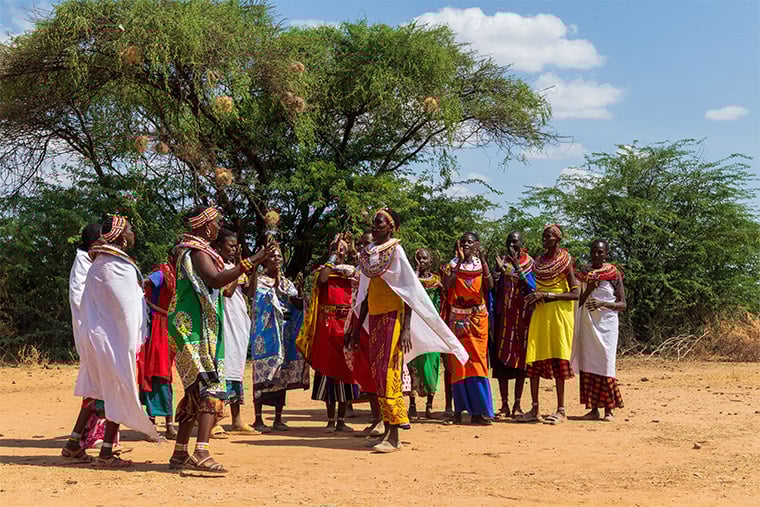
Members of the Umoja Women Cultural village in Kenya's Samburu County.
Getty Images
Bring an Open Mind
Leaving preconceptions at home yields richer experiences, says Ashish Sanghrajka, president of Big Five Tours & Expeditions. Last year he led a group of travelers to the Samburu lands of northern Kenya, where an important local custom involves drinking a warm mixture of fresh cow’s milk and blood. While participation is strictly optional, Sanghrajka encourages visitors to keep an open mind during this and similar encounters. “That’s the real culture, the real experience,” he says, “the rituals that occur whether you’re there as a visitor or not."
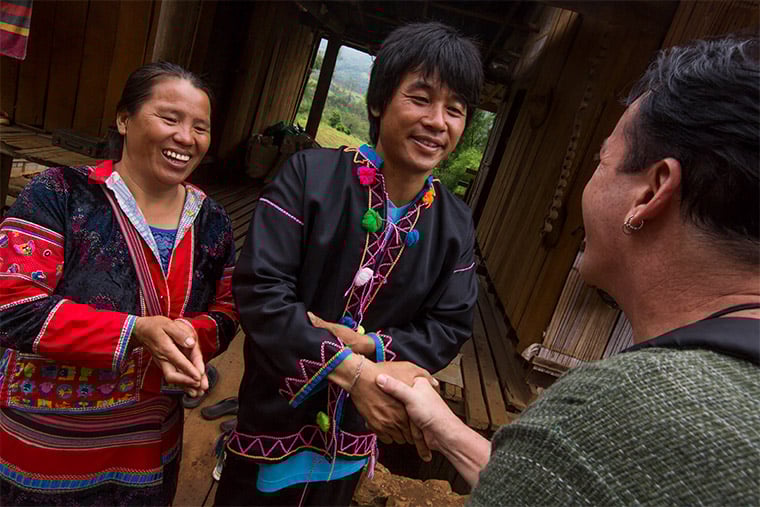
Meet-and-greet in Thailand's northern hill country.
G Adventures
Help Where It’s Needed
Handing out coins and snacks might do more harm than good, says Dalia Gibu of Abercrombie & Kent Latin America. Instead, travelers hoping to make a positive impact should work with tour operators they trust, who run dedicated nonprofits that give back to destinations they visit – A&K Philanthropy, G Adventures’ Planeterra, and the Intrepid Foundation are a few examples. Be sure to inquire about philanthropic work and ways to get involved that have lasting benefits long after your visit.